Courses
Courses
Filters
Master the Helm with Real On-Water Experience, Not Just Classroom Slides
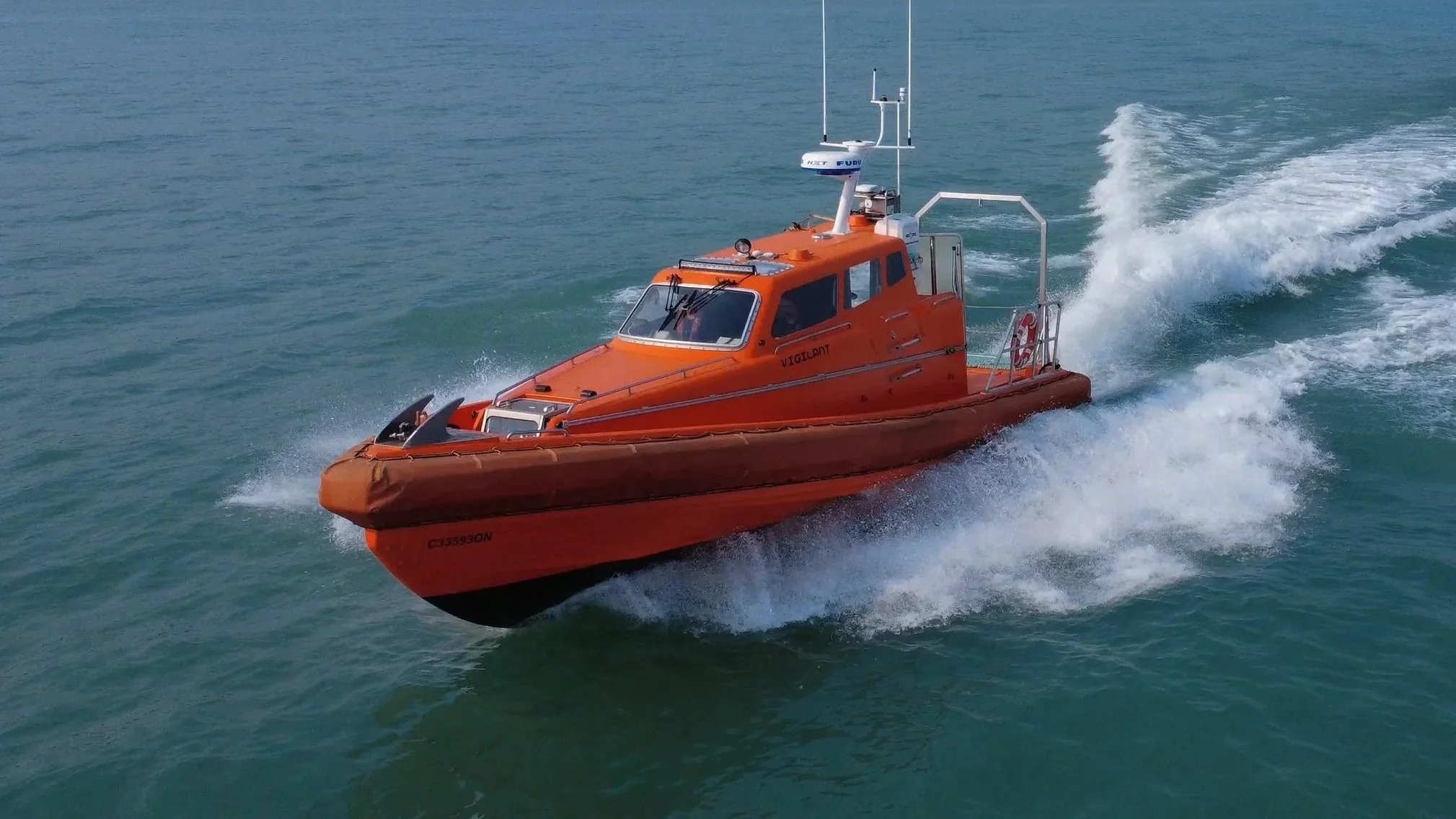
Most programs lock you in a classroom for days, teaching marine theory from a projector. The GLSVA Immersive On-Water Academy is built differently. We combine core Transport Canada certification requirements with extensive, direct on-water training—giving you the practical confidence, seamanship, and reaction skills that only real sea time can build.
By keeping our cohort sizes intentionally small, every candidate receives personalized, hands-on instruction at the helm alongside experienced commercial captains.
Why Our Program Stands Out:
Real On-Water Training vs. Pure Theory
While standard courses stop at passing a written test, our program puts you behind the helm. You won't just learn chart work on paper—you will navigate actual sea states, manage real-world wind and current forces, execute docking under pressure, and master emergency procedures on the water.
Ultra-Low Student-to-Instructor Ratios
To ensure maximum helm time and individual coaching, our on-water sessions maintain an industry-leading student-to-instructor ratio. You won't be a passive observer sitting in the back of a boat; you will actively command the vessel, make tactical decisions, and refine your skills with immediate feedback from seasoned mariners.
Complete Certification in One Streamlined Academy
Graduate fully credentialed to operate commercial vessels under 5 Gross Tons. This all-in-one intensive program integrates all essential Transport Canada credentials:
Small Commercial Vessel Operator (SVOP): Navigation, collision avoidance, vessel stability, and commercial operation regulations.
Small Non-Pleasure Vessel Basic Safety (SDV-BS / Formerly MED A3): Firefighting, emergency response, cold-water survival, and life-saving equipment operation.
Restricted Operator Certificate - Maritime (ROC-M): VHF marine radio protocols, emergency distress procedures, and Digital Selective Calling (DSC).
Marine Basic First Aid (MBFA): Lifesaving training to help your crew members or passengers in the event of a medical emergency on the water.
What You Will Master On the Water
Precision Vessel Handling: High and low-speed maneouvering, tight-quarters docking, twin-engine/single-engine/waterjet control, and trim adjustments.
Practical Navigation & Electronics: Real-time chart plotter operation, radar interpretation, GPS plotting, and visual pilotage under varying conditions.
Emergency Responses: Man-overboard recovery drills, simulated engine failures, live equipment handling, and real-time distress procedures.
Commercial Readiness: Pre-departure vessel inspections, passenger safety briefings, mission dynamics, and risk management at sea.
Who This Program Is Built For:
Aspiring Commercial Vessel Operators: Water taxi operators, eco-tour guides, workboat captains, water patrol personnel, and charter boat operators.
Government & Industry Professionals: Environmental technicians, researchers, first responders, and municipal harbour staff requiring commercial vessel credentials.
Mariners Seeking True Confidence: Operators who have the theoretical knowledge but want genuine, practical on-water experience before taking responsibility for passengers and crew.
Ready to Take the Wheel?
Don't just pass a test—master the vessel. Secure your spot in our next limited-enrollment cohort and graduate with the credentials, muscle memory, and confidence required of a professional commercial captain.
12 days (96 training hours)
Transport Canada Approved Certification | 4 Days (26–32 Hours)
Take the Wheel Beyond the Textbook: SVOP Training Enhanced with Small Boat Simulation
The Transport Canada Small Vessel Operator Proficiency (SVOP) certification is the required standard for operating commercial vessels up to 5 gross tonnage. However, learning seamanship and vessel operation strictly from a slide deck leaves a dangerous gap between knowing the theory and reacting under pressure.
At Great Lakes Small Vessel Academy (GLSVA), we bridge that gap. We enhance the standard Transport Canada SVOP curriculum with immersive, state-of-the-art Small Boat Simulator Training. Before you ever command a commercial vessel on open water, you will step into realistic boat scenarios—practicing collision avoidance, radar navigation, and emergency maneuvers in a safe, dynamic digital environment.
The GLSVA Advantage: Why Train With Simulator Technology?
Standard SVOP courses rely entirely on classroom lectures and paper chart exercises. While theory is essential, real-world decision-making requires practical repetition.
By integrating dedicated simulator sessions into our 4-day SVOP program, GLSVA students gain crucial experience that standard classroom-only providers simply cannot offer:
Dynamic Collision Regulations (COLREGs) & Collision Avoidance: Instead of drawing vectors on paper, face incoming vessel traffic in real-time. Practice identifying navigation lights, assessing risk of collision, and executing proper give-way maneuvers in tight channels and various conditions.
Adverse Weather & Poor Visibility: Experience navigating through heavy fog, high winds, and night scenarios without real-world risk, building the muscle memory needed to operate safely when weather deteriorates.
Radar & Electronics Experience: Master radar interpretation, electronic positioning, and chart plotter integration on an interactive helm layout.
Emergency Scenario Drills: Test your reactions during simulated engine failures, steering loss, extreme currents, and man-overboard (MOB) situations in a controlled setting.
What You Will Learn:
Our comprehensive curriculum covers all Transport Canada mandatory requirements, elevated by interactive simulator exercises:
Modules / Core Concepts & Simulator Practice:
Vessel Handling & Seamanship - Maneuvering dynamics, single/twin-engine response, trim, stability, and berthing under environmental forces (wind & current).
Navigation & Chart Work - Reading nautical charts, plotting courses, calculating tides/currents, magnetic compass variation, and electronic navigation.
Collision Regulations (COLREGs) - Right-of-way rules, light and shape identification, sound signals, and real-time encounter management in the simulator.
Marine Safety & Legislation - Canada Shipping Act requirements, Transport Canada compliance, passenger safety protocols, and pre-departure checklists.
Emergency Preparedness - Distress signals, emergency equipment operation, heavy weather tactics, and crisis response management.
Who Needs This Certification?
The SVOP is mandatory for anyone operating small commercial vessels in Canadian waters, including:
Commercial Operators: Water taxis, passenger charter captains, tour boat operators, and fishing guides.
Industrial & Workboat Crew: Construction barges, environmental survey vessels, harbour workboats, and aquaculture operators.
Government & First Responders: Municipal water patrol, conservation officers, research teams, and fire/rescue boat personnel.
Course Specifications
Duration: 4 Days (26–32 Hours)
Certification: Transport Canada Small Vessel Operator Proficiency (SVOP) Certificate
Prerequisites: None (Ages 18+ recommended; candidates under 18 must meet Transport Canada age guidelines)
Location: Great Lakes Small Vessel Academy Training Facility
Don't Just Pass the Exam—Build True Confidence.
Secure your seat in an upcoming SVOP cohort and experience the difference that immersive simulator training makes to your career on the water.
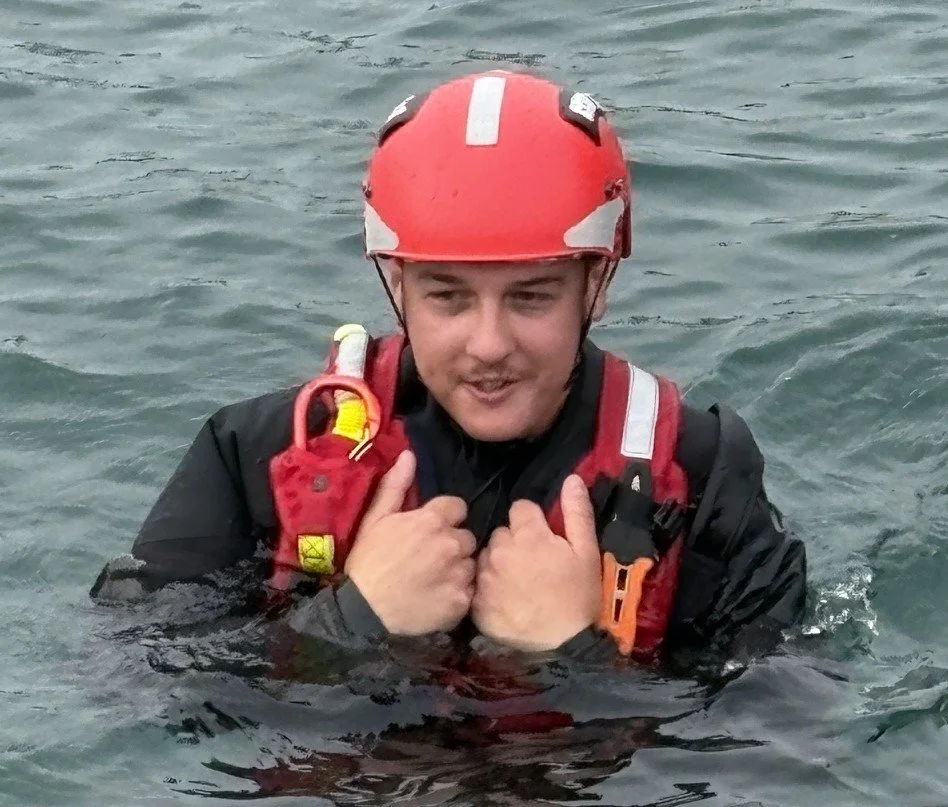
Transport Canada Approved Certification (Formerly MED A3)
"In a marine emergency, you don't rise to the occasion—you fall back on your training."
When an emergency occurs at sea, seconds matter. Whether you are navigating a commercial workboat, operating a water taxi, or managing research personnel, your ability to react calmly, operate life-saving equipment, and execute survival procedures can save lives.
The Transport Canada Small Domestic Vessel Basic Safety (SDV-BS) certification (formerly MED A3) is the mandatory safety standard for crew members and operators of small commercial vessels in Canada.
At the Great Lakes Small Vessel Academy (GLSVA), we go beyond reading safety manuals. We deliver dynamic, practical, and scenario-based training that prepares you for the unexpected.
The Narrative: From Theory to Instinct
Standard safety training often treats emergency response as a checklist of facts to memorize. At GLSVA, we treat safety as a core operational culture.
Located steps from the harbour, our modern training facilities allow candidates to immediately bridge the gap between classroom principles and practical execution. You won't just study how personal protective equipment (PPE) works—you will configure and don it under pressure. You won't just read about distress pyrotechnics, abandon-ship protocols, or cold-water survival—you will physically handle life-saving appliances, run emergency drills, and practice survival tactics.
By maintaining low student-to-instructor ratios, our experienced mariners ensure every candidate gets hands-on practice, personalized coaching, and direct feedback. You will leave not only certified, but truly prepared to command an emergency situation.
What You Will Experience & Master:
Through a combination of classroom instruction and hands-on exercises, you will master the critical pillars of marine emergency duty:
Cold-Water Survival & Hypothermia Management: Understand the physical impact of cold shock, the "1-10-1" principle of cold-water survival, and techniques to maximize survival time in Canadian waters.
Life-Saving Appliances & Abandon-Ship Procedures: Don lifejackets and immersion gear rapidly, inspect and deploy buoyancy equipment, and understand rigid and inflatable life raft launching mechanisms.
Fire Emergency Response: Learn the fundamentals of onboard fire prevention, fire behavior, and practical response tactics using portable fire extinguishers and emergency gear.
Distress Signaling & Communications: Master pyrotechnic flares, visual distress signals, whistles, radar reflectors, and emergency radio protocols to signal for immediate rescue.
Emergency Preparedness & Risk Culture: Develop situational awareness, run onboard drills, establish clear muster roles, and conduct pre-departure passenger safety briefings.
Who Needs This Certification?
Transport Canada requires SDV-BS certification for operators and crew members on non-pleasure vessels under 15 gross tonnage, including:
Water taxi, tour boat, and charter operators
Commercial fishing and workboat crews
Municipal water patrol, first responders, and harbour staff
Environmental technicians, marine researchers, and government field staff
Course Overview
Duration: 1 Day Intensive
Certification: Transport Canada Small Domestic Vessel Basic Safety (SDV-BS)
Location: Great Lakes Small Vessel Academy Training Facility
Prerequisites: None
Safety isn't just a requirement—it's your duty.
Join an upcoming session at GLSVA and gain the practical confidence, hands-on skill, and safety mindset required on the water.
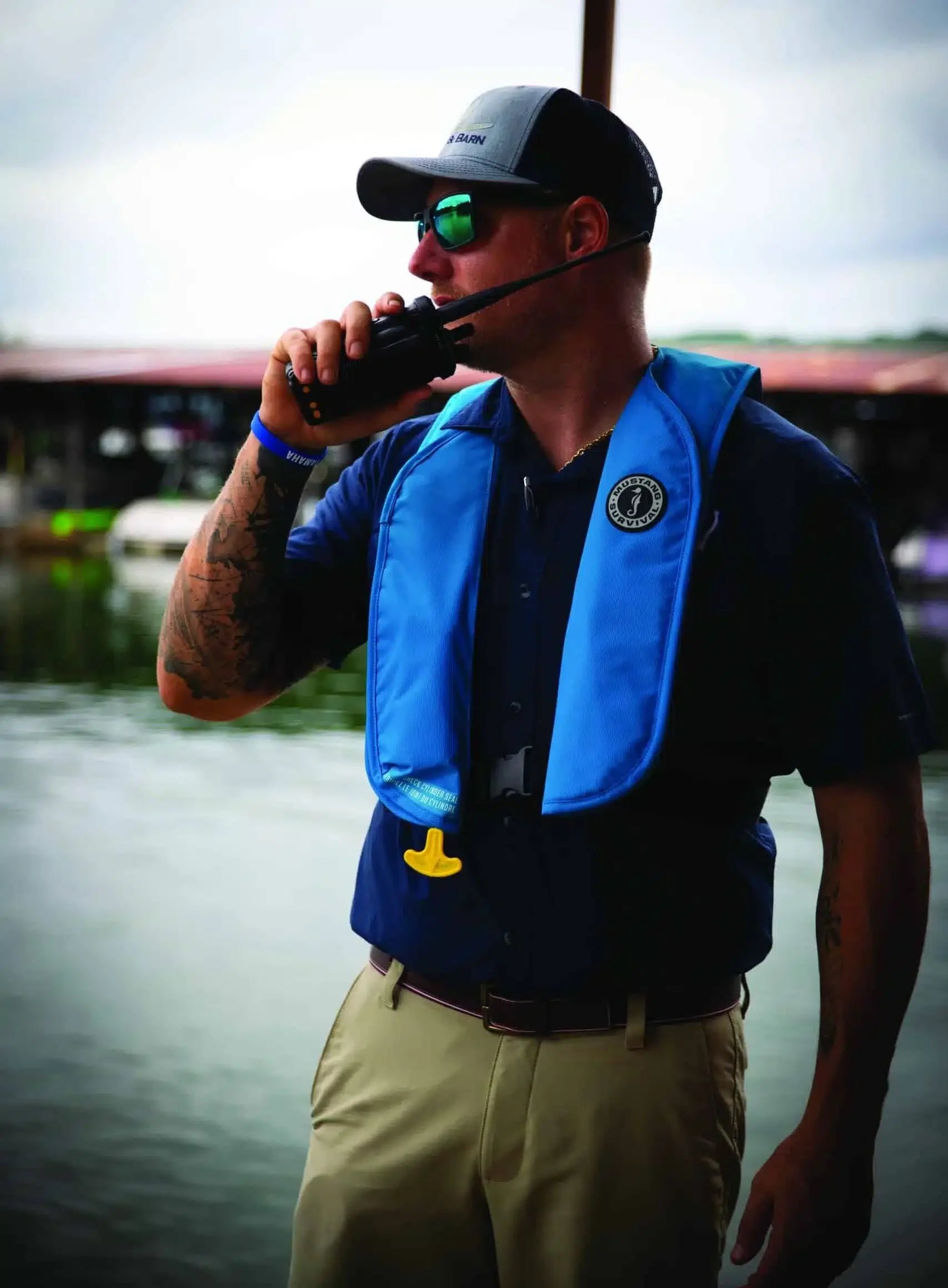
Industry Canada & Innovation, Science and Economic Development Canada (ISED) Certification
Cell Phones Dial One Person. Marine VHF Broadcasts to Everyone Who Can Help.
On open water, a mobile phone is never a substitute for a marine VHF radio. Cell signals drop out, batteries drain, and dialing a phone reaches only one contact at a time. A VHF radio broadcasts instantly to every vessel, commercial ship, and Coast Guard station within a 5-to 20-nautical mile radius. In a life-threatening situation, VHF radio is your most critical link to immediate survival.
The Restricted Operator’s Certificate (Maritime) [ROC(M)] with Digital Selective Calling (DSC) endorsement is legally required for anyone operating a VHF radio on commercial or recreational vessels in Canadian waters.
At Great Lakes Small Vessel Academy (GLSVA), we go beyond simple memorization to teach you clear radio etiquette, operational protocols, and life-saving emergency distress procedures.
Why Train with GLSVA?
Hands-On Radio Operations: Don't just read about radio frequencies—practice tuning, channel selection, and transmission protocols in dedicated practical exercises on real-radios.
DSC & Automated Distress Protocols: Master Digital Selective Calling (DSC) technology, including how to send targeted vessel-to-vessel calls and push-button MAYDAY distress alerts linked to GPS positioning.
Real-World Verbal Call Practice: Gain hands-on practice making distress (MAYDAY), urgency (PAN PAN), and safety (SÉCURITÉ) calls under simulated emergency conditions to build calm, clear radio discipline.
Lifetime Qualification: Pass the examination once, and your ROC(M) certificate is valid for life with no renewal fees required.
What You Will Learn & Master
Through comprehensive instruction, practical exercises, and verbal radio simulations, you will learn:
VHF Radio Fundamentals: Operating controls, squelch adjustment, power settings, channel selection, and routine maintenance for reliable communication.
Channel Usage in Canadian Waters: Understanding distress/calling channels (Ch 16), inter-vessel working channels, bridge-to-bridge communications, and Coast Guard channels.
Phonetic Alphabet & Radio Etiquette: Mastering the international phonetic alphabet and standardized maritime terminology for clear communication in complex, high-noise environments.
Emergency Distress & Safety Call Procedures: Proper protocols for MAYDAY (distress), PAN PAN (urgency), and SÉCURITÉ (safety) broadcasts, as well as handling accidental DSC alerts.
Digital Selective Calling (DSC) & MMSI: Setting up and utilizing Maritime Mobile Service Identities (MMSI) for direct vessel calling and automated emergency alerting.
Who Needs This Certification?
Under the Canadian Radiocommunication Regulations, any individual operating a VHF radio on a Canadian vessel is required by law to hold a valid radio operator certificate. This includes:
Commercial Vessel Operators & Crew: SVOP captains, water taxi skippers, workboat crews, and tour boat operators.
First Responders & Field Teams: Marine patrol officers, environmental researchers, and search-and-rescue volunteers.
Recreational Mariners: Sailboat skippers, powerboaters, and offshore cruisers seeking true safety on the water.
Course Specifications
Duration: 1 Day Intensive (Instruction + Examination)
Certification: Restricted Operator's Certificate (Maritime) with DSC Endorsement (Issued under the authority of ISED Canada)
Validity: Valid for Life
Location: Great Lakes Small Vessel Academy Training Facility
Master Clear Communication. Fulfill Legal Requirements.
Equip yourself with the skills to communicate clearly, manage emergency broadcasts, and operate marine VHF radios with total confidence.
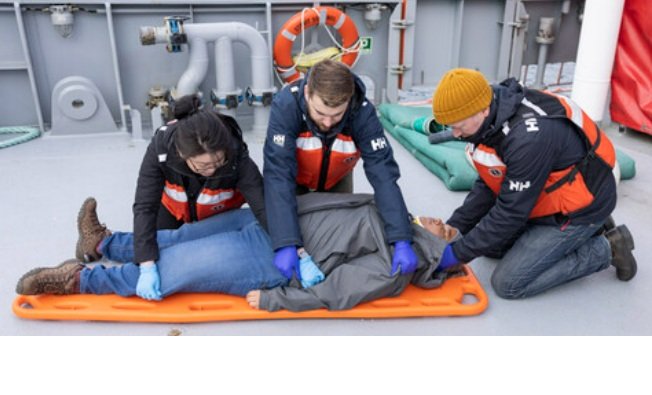
Transport Canada Approved Certification | 2-Day Intensive (16 Hours)
Medical Emergencies at Sea Demand More Than Standard First Aid.
When an injury or sudden illness happens on the water, calling for an ambulance isn't an immediate option. You are the first responder, and help may be miles away.
The Marine Basic First Aid (MBFA) course is designed specifically for mariners, commercial operators, and crew members operating in marine environments. Approved by Transport Canada, this 2-day course combines standard first aid and CPR-C/AED skills with specialized techniques for managing medical crises in isolated, unstable, and marine-specific settings.
Why Train with GLSVA?
Transport Canada Compliant: Meets all requirements of the Canada Shipping Act and Marine Personnel Regulations for crew certification on commercial vessels.
Marine-Focused Scenarios: Practical exercises tailored to real-world onboard conditions—handling medical emergencies in confined spaces, on moving decks, and in cold water environments.
Low Student-to-Instructor Ratios: Hands-on instruction ensuring every candidate gains confidence in life-saving procedures, AED application, and casualty assessment.
Comprehensive Dual Certification: Complete both Marine First Aid and Standard First Aid requirements in a single, streamlined course.
What You Will Learn & Master:
Over two full days, you will gain essential knowledge and practical skills across a complete spectrum of marine medical situations:
Day 1: Primary Lifesaving & Emergency Care
Scene & Casualty Assessment: Primary and secondary surveys adapted for marine environments and confined vessel quarters.
Cardiopulmonary Resuscitation (CPR-C) & AED: High-performance CPR techniques for adults, children, and infants, combined with Automated External Defibrillator (AED) operation.
Airway & Respiratory Emergencies: Managing airway obstructions, choking, drowning, near-drowning, and respiratory distress at sea.
Wound Management & Bleeding Control: Direct pressure, pressure dressings, tourniquets, and managing severe trauma and shock on a vessel.
Day 2: Marine Hazards, Trauma & Medical Crises
Environmental & Cold-Water Hazards: Hypothermia identification and treatment, cold-water shock, immersion injuries, and heat illnesses.
Musculoskeletal Injuries: Immobilization, splinting, and safe patient movement/evacuation within tight engine spaces or across vessel decks.
Head, Neck & Spinal Care: Identifying and stabilizing spinal injuries resulting from rough seas or slips on deck.
Medical Emergencies & Marine Toxicology: Managing heart attacks, strokes, diabetic crises, seizures, seasickness, and exposure to hazardous onboard substances.
Search & Rescue Coordination: Preparing a patient for Medevac, helicopter hoist operations, and Coast Guard handover.
Who Needs This Certification?
Under Transport Canada regulations, Marine Basic First Aid is mandatory for key personnel aboard commercial and non-pleasure vessels, including:
Commercial Vessel Captains & Operators: SVOP holders, water taxi operators, tour boat captains, and workboat skippers.
Crew Members & Deckhands: Personnel requiring Transport Canada Marine Emergency Duty or crew certification.
Marine Industry Professionals: Conservation officers, harbour staff, marine researchers, and eco-tour guides.
Avid Recreational Mariners: Offshore cruisers and boaters seeking advanced emergency preparation for extended voyages.
Course Specifications
Duration: 2 Days (16 Hours total)
Certification: Transport Canada Approved Marine Basic First Aid, Standard First Aid & CPR Level C / AED
Validity: Valid for 3 Years
Prerequisites: None
Location: Great Lakes Small Vessel Academy Training Facility
Be Ready When Minutes Count.
Gain the confidence, practical skills, and certification required to manage medical emergencies safely on the water.
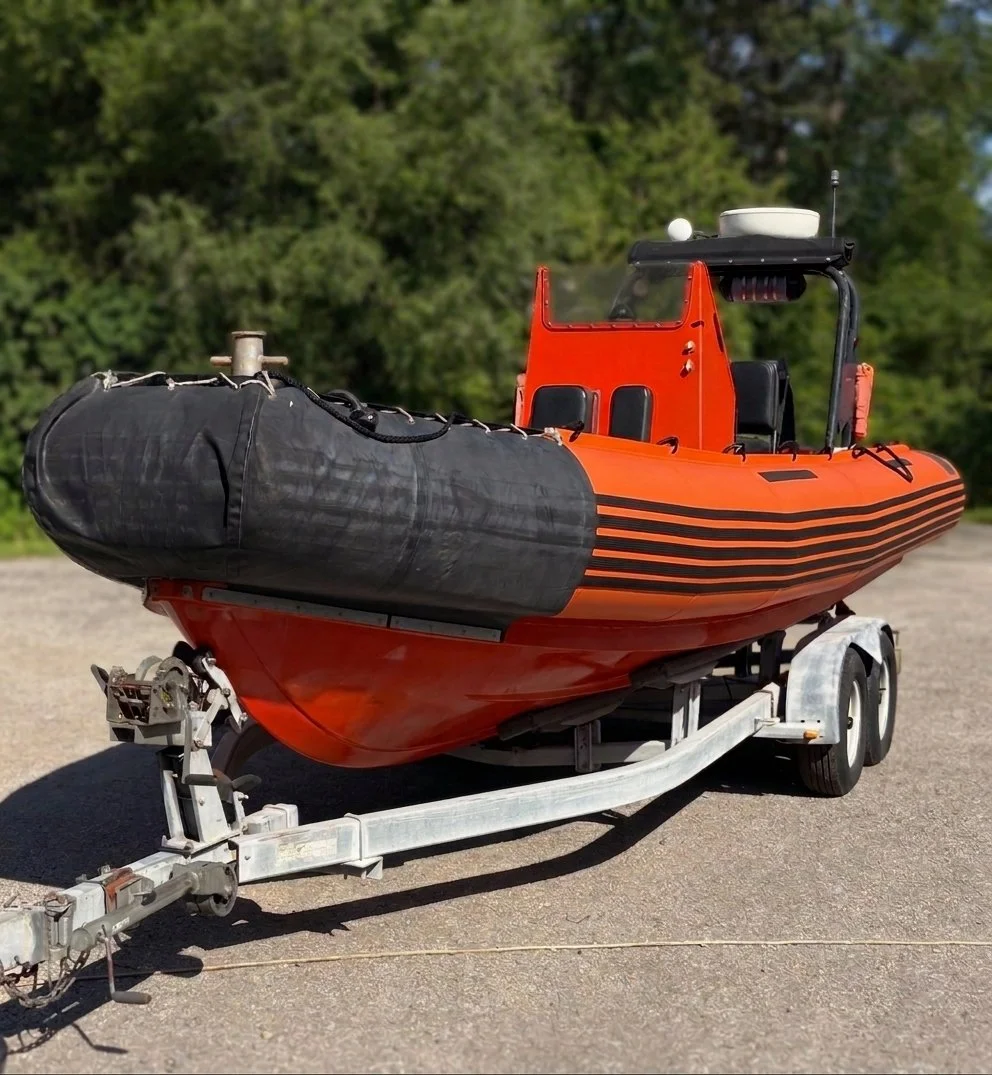
Classrooms Teach Marine Theory. The Water Teaches Command.
The single biggest flaw in modern commercial marine education is the gap between passing a written exam and holding real responsibility at the helm. Most marine training schools keep students locked in a classroom for days, leaving them to figure out vessel handling, docking, and live decision-making on their own after they graduate.
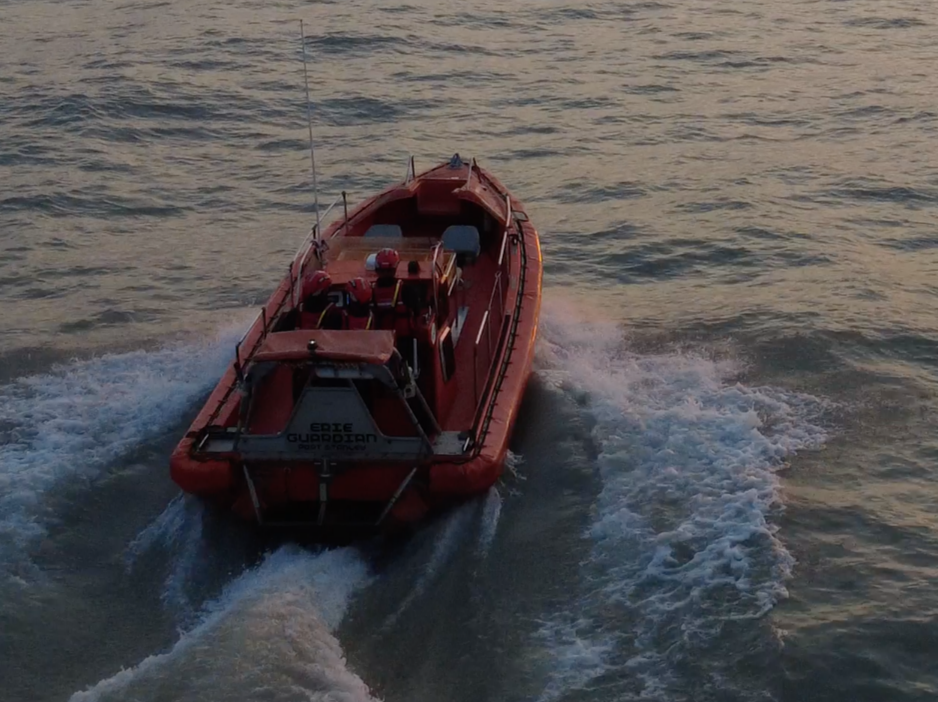
At Great Lakes Small Vessel Academy (GLSVA), the On-Water Practical is our core operational pillar. It transforms standard Transport Canada theoretical knowledge into real-world seamanship, muscle memory, and vessel handling confidence. Under the direct supervision of veteran commercial captains, you will take command of our dedicated commercial training fleet—stepping up to the helm as part of our practical hands-on training.
The GLSVA Differentiator: Why Practical Helm Time Wins
While other programs rely on slide decks and theoretical scenarios, GLSVA’s On-Water Practical puts you directly into the environment where your skills actually matter:
Real Wind, Real Current, Real Hull Dynamics: Learn to read environmental forces and control a vessel during tight-quarters docking, station holding, and low-speed maneuvering without relying on guesswork.
Low Student-to-Instructor Ratios: Our intentionally small cohort sizes ensure you spend maximum time behind the wheel—actively commanding the boat rather than watching from a desk.
Dynamic Emergency Reaction Drills: Execute live Man Overboard (MOB) recoveries, emergency stops, engine failure procedures, and towing setups in real-time water conditions.
Integrated Electronic & Visual Navigation: Move from paper chart concepts to live chartplotter routing, radar interpretation, depth contour tracking, and visual pilotage while under way.
What You Will Master on the Water
Designed to bridge the gap between "certified" and truly "competent," this intensive hands-on program walks you through progressive operational phases:
Practical Module - On-Water Skills & Execution:
Vessel Control & Maneuvering - Twin and single-engine control, low-speed pivot turns ("walking the prop"), station holding against wind/current, and precision trim adjustments.
Docking & Berthing - Port and starboard alongsides, spring line departures (forward and aft springs), slip entry, and commercial "touch-and-go" passenger transfer maneuvers.
Emergency & Recovery - Live MOB retrieval maneuvers (Williamson and Anderson turns), rapid deceleration emergency stops, and safe towing setup and strain control.
Electronic Navigation & Pilotage - Running GPS routes, steering by depth contours, cross-checking visual aids to navigation (IALA B buoyage), and executing radar-assisted runs.
Commercial Voyage Execution - Delivering mandatory passenger safety briefings, pre-sail vessel inspections, logbook management, and executing a complete student-led simulated charter voyage.
Who Needs This Training?
Graduates Seeking True Readiness: Mariners who hold SVOP, SDV-BS, or PCOC credentials but lack the practical dockside and helm experience needed for active duty.
Commercial Operators & Employers: Fleet owners, water taxi operations, municipal patrol units, and research institutions seeking to onboard crew who are ready to operate safely from day one.
Mariners Upgrading Skills: Operators transitioning to larger vessels, twin-engine or different propulsion platforms, or more demanding operational environments.
Course Specifications
Format: Intensive On-Water Vessel Operations
Platform: GLSVA Commercial Training Fleet (Vessels under 12 Metres / 15 Gross Tonnage)
Instructor Ratio: Small Cohort Limit for Maximum Helm Time
Location: Great Lakes Small Vessel Academy Training Facility & Local Waters
Don't Just Hold a Certificate—Master the Helm.
Bridge the gap between theoretical knowledge and professional maritime command.
Reserve your spot in an upcoming cohort and gain the real-world vessel experience that sets GLSVA graduates apart.
No results found
No results match your search. Try removing a few filters.