 Image 1 of 1
Commercial Vessel Academy Program
Master the Helm with Real On-Water Experience, Not Just Classroom Slides
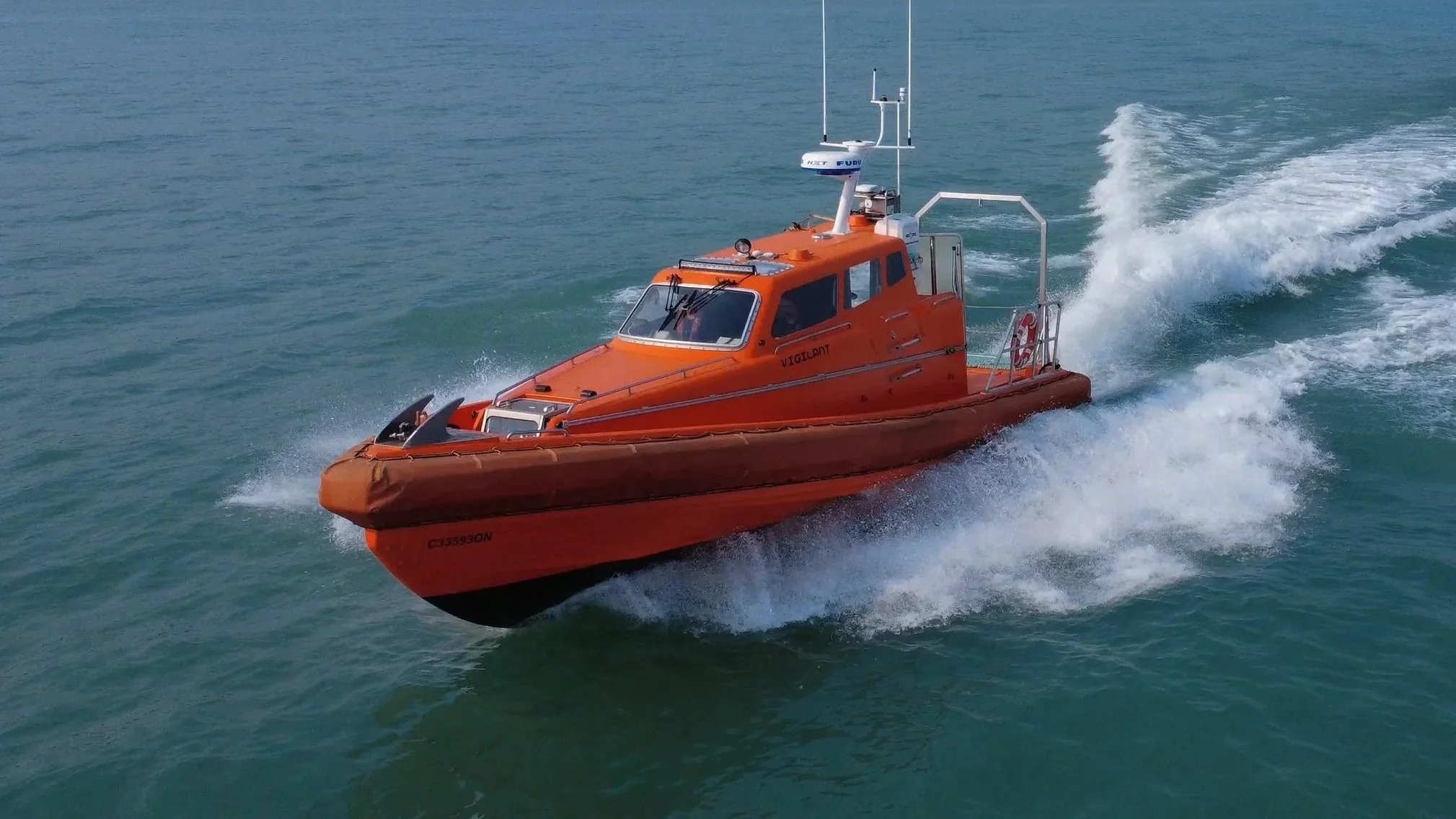
Most programs lock you in a classroom for days, teaching marine theory from a projector. The GLSVA Immersive On-Water Academy is built differently. We combine core Transport Canada certification requirements with extensive, direct on-water training—giving you the practical confidence, seamanship, and reaction skills that only real sea time can build.
By keeping our cohort sizes intentionally small, every candidate receives personalized, hands-on instruction at the helm alongside experienced commercial captains.
Why Our Program Stands Out:
Real On-Water Training vs. Pure Theory
While standard courses stop at passing a written test, our program puts you behind the helm. You won't just learn chart work on paper—you will navigate actual sea states, manage real-world wind and current forces, execute docking under pressure, and master emergency procedures on the water.
Ultra-Low Student-to-Instructor Ratios
To ensure maximum helm time and individual coaching, our on-water sessions maintain an industry-leading student-to-instructor ratio. You won't be a passive observer sitting in the back of a boat; you will actively command the vessel, make tactical decisions, and refine your skills with immediate feedback from seasoned mariners.
Complete Certification in One Streamlined Academy
Graduate fully credentialed to operate commercial vessels under 5 Gross Tons. This all-in-one intensive program integrates all essential Transport Canada credentials:
Small Commercial Vessel Operator (SVOP): Navigation, collision avoidance, vessel stability, and commercial operation regulations.
Small Non-Pleasure Vessel Basic Safety (SDV-BS / Formerly MED A3): Firefighting, emergency response, cold-water survival, and life-saving equipment operation.
Restricted Operator Certificate - Maritime (ROC-M): VHF marine radio protocols, emergency distress procedures, and Digital Selective Calling (DSC).
Marine Basic First Aid (MBFA): Lifesaving training to help your crew members or passengers in the event of a medical emergency on the water.
What You Will Master On the Water
Precision Vessel Handling: High and low-speed maneouvering, tight-quarters docking, twin-engine/single-engine/waterjet control, and trim adjustments.
Practical Navigation & Electronics: Real-time chart plotter operation, radar interpretation, GPS plotting, and visual pilotage under varying conditions.
Emergency Responses: Man-overboard recovery drills, simulated engine failures, live equipment handling, and real-time distress procedures.
Commercial Readiness: Pre-departure vessel inspections, passenger safety briefings, mission dynamics, and risk management at sea.
Who This Program Is Built For:
Aspiring Commercial Vessel Operators: Water taxi operators, eco-tour guides, workboat captains, water patrol personnel, and charter boat operators.
Government & Industry Professionals: Environmental technicians, researchers, first responders, and municipal harbour staff requiring commercial vessel credentials.
Mariners Seeking True Confidence: Operators who have the theoretical knowledge but want genuine, practical on-water experience before taking responsibility for passengers and crew.
Ready to Take the Wheel?
Don't just pass a test—master the vessel. Secure your spot in our next limited-enrollment cohort and graduate with the credentials, muscle memory, and confidence required of a professional commercial captain.
12 days (96 training hours)
Master the Helm with Real On-Water Experience, Not Just Classroom Slides
Most programs lock you in a classroom for days, teaching marine theory from a projector. The GLSVA Immersive On-Water Academy is built differently. We combine core Transport Canada certification requirements with extensive, direct on-water training—giving you the practical confidence, seamanship, and reaction skills that only real sea time can build.
By keeping our cohort sizes intentionally small, every candidate receives personalized, hands-on instruction at the helm alongside experienced commercial captains.
Why Our Program Stands Out:
Real On-Water Training vs. Pure Theory
While standard courses stop at passing a written test, our program puts you behind the helm. You won't just learn chart work on paper—you will navigate actual sea states, manage real-world wind and current forces, execute docking under pressure, and master emergency procedures on the water.
Ultra-Low Student-to-Instructor Ratios
To ensure maximum helm time and individual coaching, our on-water sessions maintain an industry-leading student-to-instructor ratio. You won't be a passive observer sitting in the back of a boat; you will actively command the vessel, make tactical decisions, and refine your skills with immediate feedback from seasoned mariners.
Complete Certification in One Streamlined Academy
Graduate fully credentialed to operate commercial vessels under 5 Gross Tons. This all-in-one intensive program integrates all essential Transport Canada credentials:
Small Commercial Vessel Operator (SVOP): Navigation, collision avoidance, vessel stability, and commercial operation regulations.
Small Non-Pleasure Vessel Basic Safety (SDV-BS / Formerly MED A3): Firefighting, emergency response, cold-water survival, and life-saving equipment operation.
Restricted Operator Certificate - Maritime (ROC-M): VHF marine radio protocols, emergency distress procedures, and Digital Selective Calling (DSC).
Marine Basic First Aid (MBFA): Lifesaving training to help your crew members or passengers in the event of a medical emergency on the water.
What You Will Master On the Water
Precision Vessel Handling: High and low-speed maneouvering, tight-quarters docking, twin-engine/single-engine/waterjet control, and trim adjustments.
Practical Navigation & Electronics: Real-time chart plotter operation, radar interpretation, GPS plotting, and visual pilotage under varying conditions.
Emergency Responses: Man-overboard recovery drills, simulated engine failures, live equipment handling, and real-time distress procedures.
Commercial Readiness: Pre-departure vessel inspections, passenger safety briefings, mission dynamics, and risk management at sea.
Who This Program Is Built For:
Aspiring Commercial Vessel Operators: Water taxi operators, eco-tour guides, workboat captains, water patrol personnel, and charter boat operators.
Government & Industry Professionals: Environmental technicians, researchers, first responders, and municipal harbour staff requiring commercial vessel credentials.
Mariners Seeking True Confidence: Operators who have the theoretical knowledge but want genuine, practical on-water experience before taking responsibility for passengers and crew.
Ready to Take the Wheel?
Don't just pass a test—master the vessel. Secure your spot in our next limited-enrollment cohort and graduate with the credentials, muscle memory, and confidence required of a professional commercial captain.
12 days (96 training hours)