 Image 1 of 1
Small Domestic Vessel - Basic Safety (SDV-BS)
Transport Canada Approved Certification (Formerly MED A3)
"In a marine emergency, you don't rise to the occasion—you fall back on your training."
When an emergency occurs at sea, seconds matter. Whether you are navigating a commercial workboat, operating a water taxi, or managing research personnel, your ability to react calmly, operate life-saving equipment, and execute survival procedures can save lives.
The Transport Canada Small Domestic Vessel Basic Safety (SDV-BS) certification (formerly MED A3) is the mandatory safety standard for crew members and operators of small commercial vessels in Canada.
At the Great Lakes Small Vessel Academy (GLSVA), we go beyond reading safety manuals. We deliver dynamic, practical, and scenario-based training that prepares you for the unexpected.
The Narrative: From Theory to Instinct
Standard safety training often treats emergency response as a checklist of facts to memorize. At GLSVA, we treat safety as a core operational culture.
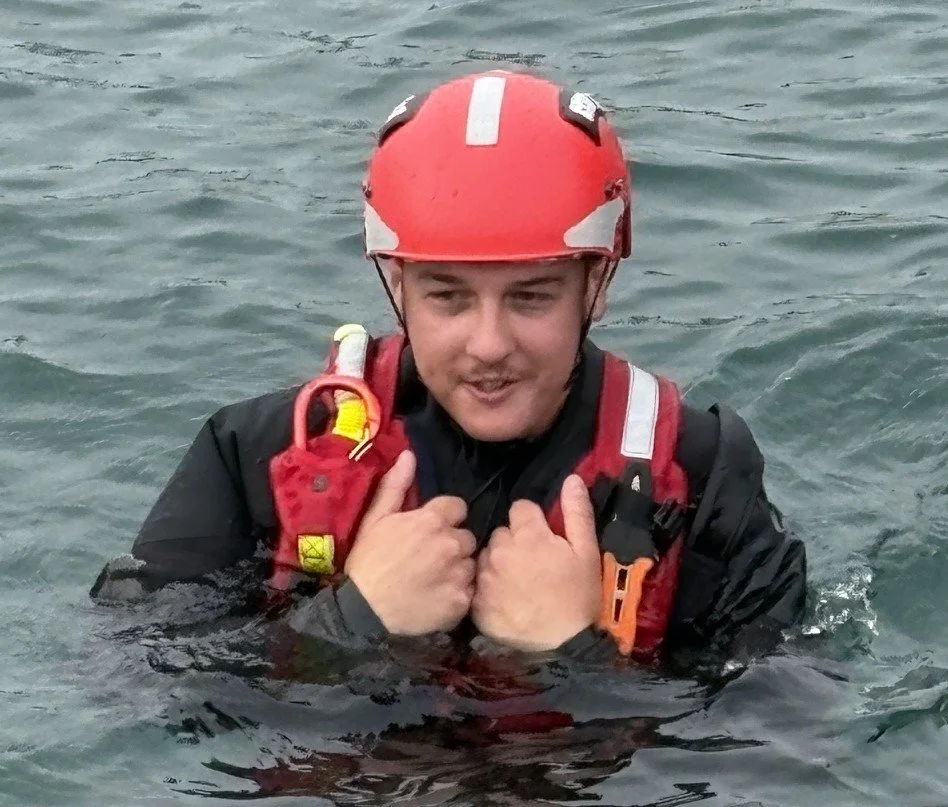
Located steps from the harbour, our modern training facilities allow candidates to immediately bridge the gap between classroom principles and practical execution. You won't just study how personal protective equipment (PPE) works—you will configure and don it under pressure. You won't just read about distress pyrotechnics, abandon-ship protocols, or cold-water survival—you will physically handle life-saving appliances, run emergency drills, and practice survival tactics.
By maintaining low student-to-instructor ratios, our experienced mariners ensure every candidate gets hands-on practice, personalized coaching, and direct feedback. You will leave not only certified, but truly prepared to command an emergency situation.
What You Will Experience & Master:
Through a combination of classroom instruction and hands-on exercises, you will master the critical pillars of marine emergency duty:
Cold-Water Survival & Hypothermia Management: Understand the physical impact of cold shock, the "1-10-1" principle of cold-water survival, and techniques to maximize survival time in Canadian waters.
Life-Saving Appliances & Abandon-Ship Procedures: Don lifejackets and immersion gear rapidly, inspect and deploy buoyancy equipment, and understand rigid and inflatable life raft launching mechanisms.
Fire Emergency Response: Learn the fundamentals of onboard fire prevention, fire behavior, and practical response tactics using portable fire extinguishers and emergency gear.
Distress Signaling & Communications: Master pyrotechnic flares, visual distress signals, whistles, radar reflectors, and emergency radio protocols to signal for immediate rescue.
Emergency Preparedness & Risk Culture: Develop situational awareness, run onboard drills, establish clear muster roles, and conduct pre-departure passenger safety briefings.
Who Needs This Certification?
Transport Canada requires SDV-BS certification for operators and crew members on non-pleasure vessels under 15 gross tonnage, including:
Water taxi, tour boat, and charter operators
Commercial fishing and workboat crews
Municipal water patrol, first responders, and harbour staff
Environmental technicians, marine researchers, and government field staff
Course Overview
Duration: 1 Day Intensive
Certification: Transport Canada Small Domestic Vessel Basic Safety (SDV-BS)
Location: Great Lakes Small Vessel Academy Training Facility
Prerequisites: None
Safety isn't just a requirement—it's your duty.
Join an upcoming session at GLSVA and gain the practical confidence, hands-on skill, and safety mindset required on the water.
Transport Canada Approved Certification (Formerly MED A3)
"In a marine emergency, you don't rise to the occasion—you fall back on your training."
When an emergency occurs at sea, seconds matter. Whether you are navigating a commercial workboat, operating a water taxi, or managing research personnel, your ability to react calmly, operate life-saving equipment, and execute survival procedures can save lives.
The Transport Canada Small Domestic Vessel Basic Safety (SDV-BS) certification (formerly MED A3) is the mandatory safety standard for crew members and operators of small commercial vessels in Canada.
At the Great Lakes Small Vessel Academy (GLSVA), we go beyond reading safety manuals. We deliver dynamic, practical, and scenario-based training that prepares you for the unexpected.
The Narrative: From Theory to Instinct
Standard safety training often treats emergency response as a checklist of facts to memorize. At GLSVA, we treat safety as a core operational culture.
Located steps from the harbour, our modern training facilities allow candidates to immediately bridge the gap between classroom principles and practical execution. You won't just study how personal protective equipment (PPE) works—you will configure and don it under pressure. You won't just read about distress pyrotechnics, abandon-ship protocols, or cold-water survival—you will physically handle life-saving appliances, run emergency drills, and practice survival tactics.
By maintaining low student-to-instructor ratios, our experienced mariners ensure every candidate gets hands-on practice, personalized coaching, and direct feedback. You will leave not only certified, but truly prepared to command an emergency situation.
What You Will Experience & Master:
Through a combination of classroom instruction and hands-on exercises, you will master the critical pillars of marine emergency duty:
Cold-Water Survival & Hypothermia Management: Understand the physical impact of cold shock, the "1-10-1" principle of cold-water survival, and techniques to maximize survival time in Canadian waters.
Life-Saving Appliances & Abandon-Ship Procedures: Don lifejackets and immersion gear rapidly, inspect and deploy buoyancy equipment, and understand rigid and inflatable life raft launching mechanisms.
Fire Emergency Response: Learn the fundamentals of onboard fire prevention, fire behavior, and practical response tactics using portable fire extinguishers and emergency gear.
Distress Signaling & Communications: Master pyrotechnic flares, visual distress signals, whistles, radar reflectors, and emergency radio protocols to signal for immediate rescue.
Emergency Preparedness & Risk Culture: Develop situational awareness, run onboard drills, establish clear muster roles, and conduct pre-departure passenger safety briefings.
Who Needs This Certification?
Transport Canada requires SDV-BS certification for operators and crew members on non-pleasure vessels under 15 gross tonnage, including:
Water taxi, tour boat, and charter operators
Commercial fishing and workboat crews
Municipal water patrol, first responders, and harbour staff
Environmental technicians, marine researchers, and government field staff
Course Overview
Duration: 1 Day Intensive
Certification: Transport Canada Small Domestic Vessel Basic Safety (SDV-BS)
Location: Great Lakes Small Vessel Academy Training Facility
Prerequisites: None
Safety isn't just a requirement—it's your duty.
Join an upcoming session at GLSVA and gain the practical confidence, hands-on skill, and safety mindset required on the water.