 Image 1 of 1
On-Water Practical
Classrooms Teach Marine Theory. The Water Teaches Command.
The single biggest flaw in modern commercial marine education is the gap between passing a written exam and holding real responsibility at the helm. Most marine training schools keep students locked in a classroom for days, leaving them to figure out vessel handling, docking, and live decision-making on their own after they graduate.
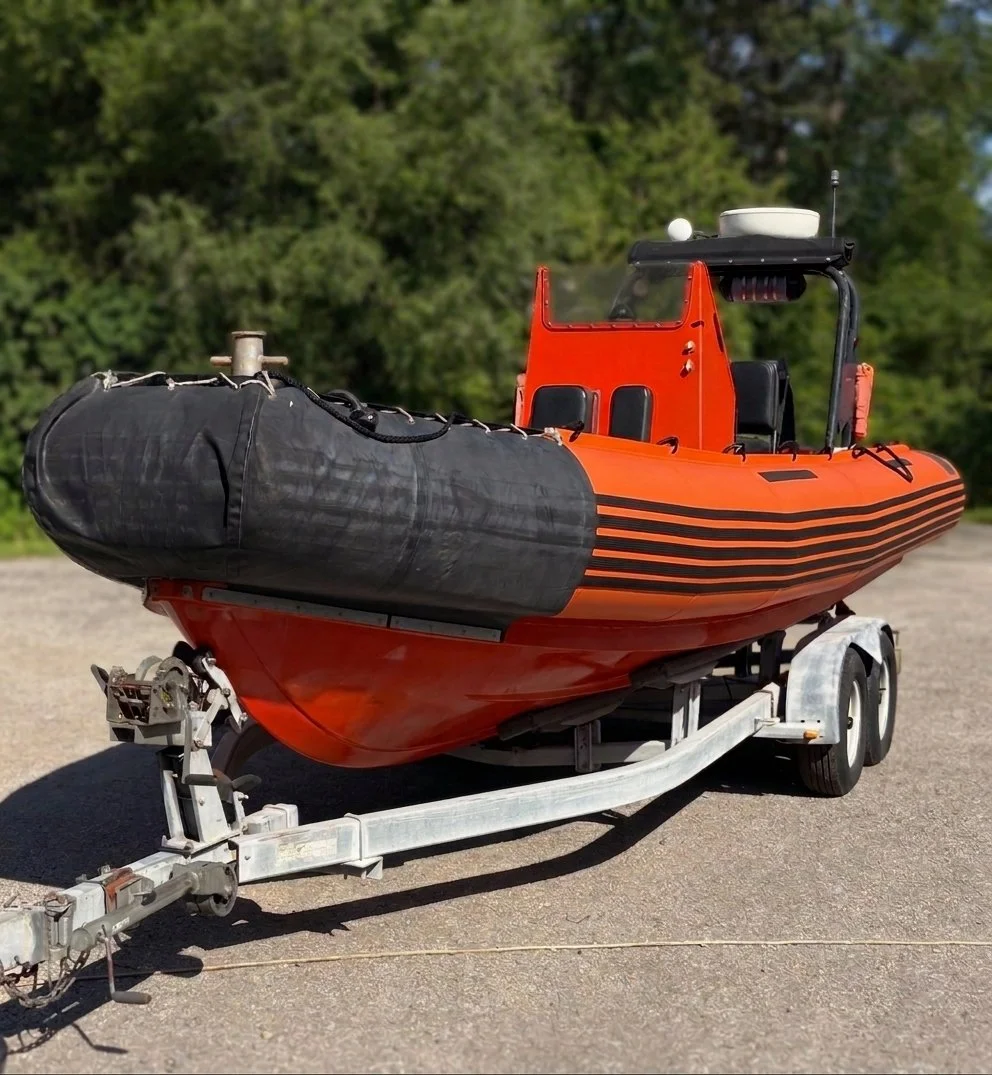
At Great Lakes Small Vessel Academy (GLSVA), the On-Water Practical is our core operational pillar. It transforms standard Transport Canada theoretical knowledge into real-world seamanship, muscle memory, and vessel handling confidence. Under the direct supervision of veteran commercial captains, you will take command of our dedicated commercial training fleet—stepping up to the helm as part of our practical hands-on training.
The GLSVA Differentiator: Why Practical Helm Time Wins
While other programs rely on slide decks and theoretical scenarios, GLSVA’s On-Water Practical puts you directly into the environment where your skills actually matter:
Real Wind, Real Current, Real Hull Dynamics: Learn to read environmental forces and control a vessel during tight-quarters docking, station holding, and low-speed maneuvering without relying on guesswork.
Low Student-to-Instructor Ratios: Our intentionally small cohort sizes ensure you spend maximum time behind the wheel—actively commanding the boat rather than watching from a desk.
Dynamic Emergency Reaction Drills: Execute live Man Overboard (MOB) recoveries, emergency stops, engine failure procedures, and towing setups in real-time water conditions.
Integrated Electronic & Visual Navigation: Move from paper chart concepts to live chartplotter routing, radar interpretation, depth contour tracking, and visual pilotage while under way.
What You Will Master on the Water
Designed to bridge the gap between "certified" and truly "competent," this intensive hands-on program walks you through progressive operational phases:
Practical Module - On-Water Skills & Execution:
Vessel Control & Maneuvering - Twin and single-engine control, low-speed pivot turns ("walking the prop"), station holding against wind/current, and precision trim adjustments.
Docking & Berthing - Port and starboard alongsides, spring line departures (forward and aft springs), slip entry, and commercial "touch-and-go" passenger transfer maneuvers.
Emergency & Recovery - Live MOB retrieval maneuvers (Williamson and Anderson turns), rapid deceleration emergency stops, and safe towing setup and strain control.
Electronic Navigation & Pilotage - Running GPS routes, steering by depth contours, cross-checking visual aids to navigation (IALA B buoyage), and executing radar-assisted runs.
Commercial Voyage Execution - Delivering mandatory passenger safety briefings, pre-sail vessel inspections, logbook management, and executing a complete student-led simulated charter voyage.
Who Needs This Training?
Graduates Seeking True Readiness: Mariners who hold SVOP, SDV-BS, or PCOC credentials but lack the practical dockside and helm experience needed for active duty.
Commercial Operators & Employers: Fleet owners, water taxi operations, municipal patrol units, and research institutions seeking to onboard crew who are ready to operate safely from day one.
Mariners Upgrading Skills: Operators transitioning to larger vessels, twin-engine or different propulsion platforms, or more demanding operational environments.
Course Specifications
Format: Intensive On-Water Vessel Operations
Platform: GLSVA Commercial Training Fleet (Vessels under 12 Metres / 15 Gross Tonnage)
Instructor Ratio: Small Cohort Limit for Maximum Helm Time
Location: Great Lakes Small Vessel Academy Training Facility & Local Waters
Don't Just Hold a Certificate—Master the Helm.
Bridge the gap between theoretical knowledge and professional maritime command.
Reserve your spot in an upcoming cohort and gain the real-world vessel experience that sets GLSVA graduates apart.
Classrooms Teach Marine Theory. The Water Teaches Command.
The single biggest flaw in modern commercial marine education is the gap between passing a written exam and holding real responsibility at the helm. Most marine training schools keep students locked in a classroom for days, leaving them to figure out vessel handling, docking, and live decision-making on their own after they graduate.
At Great Lakes Small Vessel Academy (GLSVA), the On-Water Practical is our core operational pillar. It transforms standard Transport Canada theoretical knowledge into real-world seamanship, muscle memory, and vessel handling confidence. Under the direct supervision of veteran commercial captains, you will take command of our dedicated commercial training fleet—stepping up to the helm as part of our practical hands-on training.
The GLSVA Differentiator: Why Practical Helm Time Wins
While other programs rely on slide decks and theoretical scenarios, GLSVA’s On-Water Practical puts you directly into the environment where your skills actually matter:
Real Wind, Real Current, Real Hull Dynamics: Learn to read environmental forces and control a vessel during tight-quarters docking, station holding, and low-speed maneuvering without relying on guesswork.
Low Student-to-Instructor Ratios: Our intentionally small cohort sizes ensure you spend maximum time behind the wheel—actively commanding the boat rather than watching from a desk.
Dynamic Emergency Reaction Drills: Execute live Man Overboard (MOB) recoveries, emergency stops, engine failure procedures, and towing setups in real-time water conditions.
Integrated Electronic & Visual Navigation: Move from paper chart concepts to live chartplotter routing, radar interpretation, depth contour tracking, and visual pilotage while under way.
What You Will Master on the Water
Designed to bridge the gap between "certified" and truly "competent," this intensive hands-on program walks you through progressive operational phases:
Practical Module - On-Water Skills & Execution:
Vessel Control & Maneuvering - Twin and single-engine control, low-speed pivot turns ("walking the prop"), station holding against wind/current, and precision trim adjustments.
Docking & Berthing - Port and starboard alongsides, spring line departures (forward and aft springs), slip entry, and commercial "touch-and-go" passenger transfer maneuvers.
Emergency & Recovery - Live MOB retrieval maneuvers (Williamson and Anderson turns), rapid deceleration emergency stops, and safe towing setup and strain control.
Electronic Navigation & Pilotage - Running GPS routes, steering by depth contours, cross-checking visual aids to navigation (IALA B buoyage), and executing radar-assisted runs.
Commercial Voyage Execution - Delivering mandatory passenger safety briefings, pre-sail vessel inspections, logbook management, and executing a complete student-led simulated charter voyage.
Who Needs This Training?
Graduates Seeking True Readiness: Mariners who hold SVOP, SDV-BS, or PCOC credentials but lack the practical dockside and helm experience needed for active duty.
Commercial Operators & Employers: Fleet owners, water taxi operations, municipal patrol units, and research institutions seeking to onboard crew who are ready to operate safely from day one.
Mariners Upgrading Skills: Operators transitioning to larger vessels, twin-engine or different propulsion platforms, or more demanding operational environments.
Course Specifications
Format: Intensive On-Water Vessel Operations
Platform: GLSVA Commercial Training Fleet (Vessels under 12 Metres / 15 Gross Tonnage)
Instructor Ratio: Small Cohort Limit for Maximum Helm Time
Location: Great Lakes Small Vessel Academy Training Facility & Local Waters
Don't Just Hold a Certificate—Master the Helm.
Bridge the gap between theoretical knowledge and professional maritime command.
Reserve your spot in an upcoming cohort and gain the real-world vessel experience that sets GLSVA graduates apart.