 Image 1 of 1
Restricted Operator's Certificate (Maritime) - ROC(M)
Industry Canada & Innovation, Science and Economic Development Canada (ISED) Certification
Cell Phones Dial One Person. Marine VHF Broadcasts to Everyone Who Can Help.
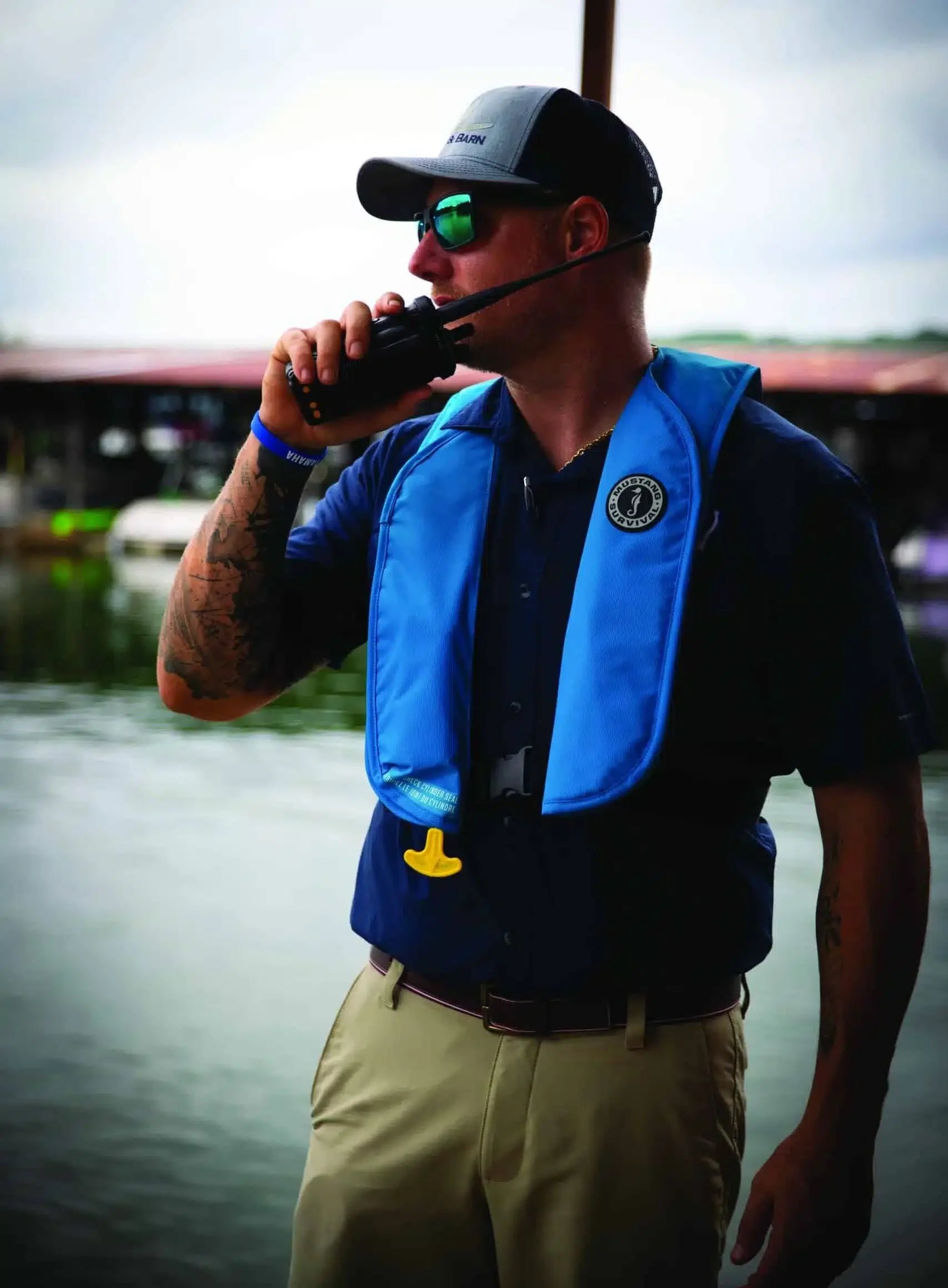
On open water, a mobile phone is never a substitute for a marine VHF radio. Cell signals drop out, batteries drain, and dialing a phone reaches only one contact at a time. A VHF radio broadcasts instantly to every vessel, commercial ship, and Coast Guard station within a 5-to 20-nautical mile radius. In a life-threatening situation, VHF radio is your most critical link to immediate survival.
The Restricted Operator’s Certificate (Maritime) [ROC(M)] with Digital Selective Calling (DSC) endorsement is legally required for anyone operating a VHF radio on commercial or recreational vessels in Canadian waters.
At Great Lakes Small Vessel Academy (GLSVA), we go beyond simple memorization to teach you clear radio etiquette, operational protocols, and life-saving emergency distress procedures.
Why Train with GLSVA?
Hands-On Radio Operations: Don't just read about radio frequencies—practice tuning, channel selection, and transmission protocols in dedicated practical exercises on real-radios.
DSC & Automated Distress Protocols: Master Digital Selective Calling (DSC) technology, including how to send targeted vessel-to-vessel calls and push-button MAYDAY distress alerts linked to GPS positioning.
Real-World Verbal Call Practice: Gain hands-on practice making distress (MAYDAY), urgency (PAN PAN), and safety (SÉCURITÉ) calls under simulated emergency conditions to build calm, clear radio discipline.
Lifetime Qualification: Pass the examination once, and your ROC(M) certificate is valid for life with no renewal fees required.
What You Will Learn & Master
Through comprehensive instruction, practical exercises, and verbal radio simulations, you will learn:
VHF Radio Fundamentals: Operating controls, squelch adjustment, power settings, channel selection, and routine maintenance for reliable communication.
Channel Usage in Canadian Waters: Understanding distress/calling channels (Ch 16), inter-vessel working channels, bridge-to-bridge communications, and Coast Guard channels.
Phonetic Alphabet & Radio Etiquette: Mastering the international phonetic alphabet and standardized maritime terminology for clear communication in complex, high-noise environments.
Emergency Distress & Safety Call Procedures: Proper protocols for MAYDAY (distress), PAN PAN (urgency), and SÉCURITÉ (safety) broadcasts, as well as handling accidental DSC alerts.
Digital Selective Calling (DSC) & MMSI: Setting up and utilizing Maritime Mobile Service Identities (MMSI) for direct vessel calling and automated emergency alerting.
Who Needs This Certification?
Under the Canadian Radiocommunication Regulations, any individual operating a VHF radio on a Canadian vessel is required by law to hold a valid radio operator certificate. This includes:
Commercial Vessel Operators & Crew: SVOP captains, water taxi skippers, workboat crews, and tour boat operators.
First Responders & Field Teams: Marine patrol officers, environmental researchers, and search-and-rescue volunteers.
Recreational Mariners: Sailboat skippers, powerboaters, and offshore cruisers seeking true safety on the water.
Course Specifications
Duration: 1 Day Intensive (Instruction + Examination)
Certification: Restricted Operator's Certificate (Maritime) with DSC Endorsement (Issued under the authority of ISED Canada)
Validity: Valid for Life
Location: Great Lakes Small Vessel Academy Training Facility
Master Clear Communication. Fulfill Legal Requirements.
Equip yourself with the skills to communicate clearly, manage emergency broadcasts, and operate marine VHF radios with total confidence.
Industry Canada & Innovation, Science and Economic Development Canada (ISED) Certification
Cell Phones Dial One Person. Marine VHF Broadcasts to Everyone Who Can Help.
On open water, a mobile phone is never a substitute for a marine VHF radio. Cell signals drop out, batteries drain, and dialing a phone reaches only one contact at a time. A VHF radio broadcasts instantly to every vessel, commercial ship, and Coast Guard station within a 5-to 20-nautical mile radius. In a life-threatening situation, VHF radio is your most critical link to immediate survival.
The Restricted Operator’s Certificate (Maritime) [ROC(M)] with Digital Selective Calling (DSC) endorsement is legally required for anyone operating a VHF radio on commercial or recreational vessels in Canadian waters.
At Great Lakes Small Vessel Academy (GLSVA), we go beyond simple memorization to teach you clear radio etiquette, operational protocols, and life-saving emergency distress procedures.
Why Train with GLSVA?
Hands-On Radio Operations: Don't just read about radio frequencies—practice tuning, channel selection, and transmission protocols in dedicated practical exercises on real-radios.
DSC & Automated Distress Protocols: Master Digital Selective Calling (DSC) technology, including how to send targeted vessel-to-vessel calls and push-button MAYDAY distress alerts linked to GPS positioning.
Real-World Verbal Call Practice: Gain hands-on practice making distress (MAYDAY), urgency (PAN PAN), and safety (SÉCURITÉ) calls under simulated emergency conditions to build calm, clear radio discipline.
Lifetime Qualification: Pass the examination once, and your ROC(M) certificate is valid for life with no renewal fees required.
What You Will Learn & Master
Through comprehensive instruction, practical exercises, and verbal radio simulations, you will learn:
VHF Radio Fundamentals: Operating controls, squelch adjustment, power settings, channel selection, and routine maintenance for reliable communication.
Channel Usage in Canadian Waters: Understanding distress/calling channels (Ch 16), inter-vessel working channels, bridge-to-bridge communications, and Coast Guard channels.
Phonetic Alphabet & Radio Etiquette: Mastering the international phonetic alphabet and standardized maritime terminology for clear communication in complex, high-noise environments.
Emergency Distress & Safety Call Procedures: Proper protocols for MAYDAY (distress), PAN PAN (urgency), and SÉCURITÉ (safety) broadcasts, as well as handling accidental DSC alerts.
Digital Selective Calling (DSC) & MMSI: Setting up and utilizing Maritime Mobile Service Identities (MMSI) for direct vessel calling and automated emergency alerting.
Who Needs This Certification?
Under the Canadian Radiocommunication Regulations, any individual operating a VHF radio on a Canadian vessel is required by law to hold a valid radio operator certificate. This includes:
Commercial Vessel Operators & Crew: SVOP captains, water taxi skippers, workboat crews, and tour boat operators.
First Responders & Field Teams: Marine patrol officers, environmental researchers, and search-and-rescue volunteers.
Recreational Mariners: Sailboat skippers, powerboaters, and offshore cruisers seeking true safety on the water.
Course Specifications
Duration: 1 Day Intensive (Instruction + Examination)
Certification: Restricted Operator's Certificate (Maritime) with DSC Endorsement (Issued under the authority of ISED Canada)
Validity: Valid for Life
Location: Great Lakes Small Vessel Academy Training Facility
Master Clear Communication. Fulfill Legal Requirements.
Equip yourself with the skills to communicate clearly, manage emergency broadcasts, and operate marine VHF radios with total confidence.