 Image 1 of 1
Marine Basic First Aid (MBFA)
Transport Canada Approved Certification | 2-Day Intensive (16 Hours)
Medical Emergencies at Sea Demand More Than Standard First Aid.
When an injury or sudden illness happens on the water, calling for an ambulance isn't an immediate option. You are the first responder, and help may be miles away.
The Marine Basic First Aid (MBFA) course is designed specifically for mariners, commercial operators, and crew members operating in marine environments. Approved by Transport Canada, this 2-day course combines standard first aid and CPR-C/AED skills with specialized techniques for managing medical crises in isolated, unstable, and marine-specific settings.
Why Train with GLSVA?
Transport Canada Compliant: Meets all requirements of the Canada Shipping Act and Marine Personnel Regulations for crew certification on commercial vessels.
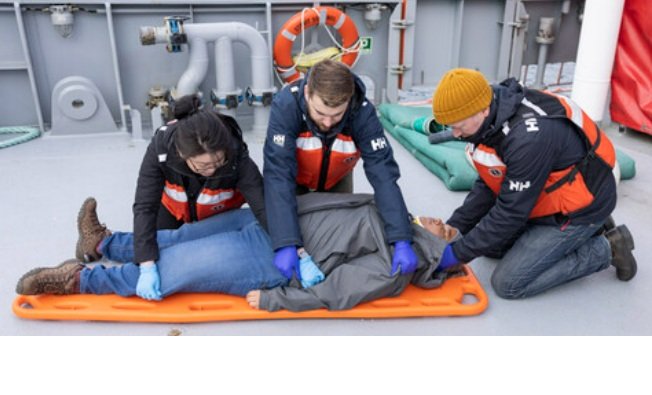
Marine-Focused Scenarios: Practical exercises tailored to real-world onboard conditions—handling medical emergencies in confined spaces, on moving decks, and in cold water environments.
Low Student-to-Instructor Ratios: Hands-on instruction ensuring every candidate gains confidence in life-saving procedures, AED application, and casualty assessment.
Comprehensive Dual Certification: Complete both Marine First Aid and Standard First Aid requirements in a single, streamlined course.
What You Will Learn & Master:
Over two full days, you will gain essential knowledge and practical skills across a complete spectrum of marine medical situations:
Day 1: Primary Lifesaving & Emergency Care
Scene & Casualty Assessment: Primary and secondary surveys adapted for marine environments and confined vessel quarters.
Cardiopulmonary Resuscitation (CPR-C) & AED: High-performance CPR techniques for adults, children, and infants, combined with Automated External Defibrillator (AED) operation.
Airway & Respiratory Emergencies: Managing airway obstructions, choking, drowning, near-drowning, and respiratory distress at sea.
Wound Management & Bleeding Control: Direct pressure, pressure dressings, tourniquets, and managing severe trauma and shock on a vessel.
Day 2: Marine Hazards, Trauma & Medical Crises
Environmental & Cold-Water Hazards: Hypothermia identification and treatment, cold-water shock, immersion injuries, and heat illnesses.
Musculoskeletal Injuries: Immobilization, splinting, and safe patient movement/evacuation within tight engine spaces or across vessel decks.
Head, Neck & Spinal Care: Identifying and stabilizing spinal injuries resulting from rough seas or slips on deck.
Medical Emergencies & Marine Toxicology: Managing heart attacks, strokes, diabetic crises, seizures, seasickness, and exposure to hazardous onboard substances.
Search & Rescue Coordination: Preparing a patient for Medevac, helicopter hoist operations, and Coast Guard handover.
Who Needs This Certification?
Under Transport Canada regulations, Marine Basic First Aid is mandatory for key personnel aboard commercial and non-pleasure vessels, including:
Commercial Vessel Captains & Operators: SVOP holders, water taxi operators, tour boat captains, and workboat skippers.
Crew Members & Deckhands: Personnel requiring Transport Canada Marine Emergency Duty or crew certification.
Marine Industry Professionals: Conservation officers, harbour staff, marine researchers, and eco-tour guides.
Avid Recreational Mariners: Offshore cruisers and boaters seeking advanced emergency preparation for extended voyages.
Course Specifications
Duration: 2 Days (16 Hours total)
Certification: Transport Canada Approved Marine Basic First Aid, Standard First Aid & CPR Level C / AED
Validity: Valid for 3 Years
Prerequisites: None
Location: Great Lakes Small Vessel Academy Training Facility
Be Ready When Minutes Count.
Gain the confidence, practical skills, and certification required to manage medical emergencies safely on the water.
Transport Canada Approved Certification | 2-Day Intensive (16 Hours)
Medical Emergencies at Sea Demand More Than Standard First Aid.
When an injury or sudden illness happens on the water, calling for an ambulance isn't an immediate option. You are the first responder, and help may be miles away.
The Marine Basic First Aid (MBFA) course is designed specifically for mariners, commercial operators, and crew members operating in marine environments. Approved by Transport Canada, this 2-day course combines standard first aid and CPR-C/AED skills with specialized techniques for managing medical crises in isolated, unstable, and marine-specific settings.
Why Train with GLSVA?
Transport Canada Compliant: Meets all requirements of the Canada Shipping Act and Marine Personnel Regulations for crew certification on commercial vessels.
Marine-Focused Scenarios: Practical exercises tailored to real-world onboard conditions—handling medical emergencies in confined spaces, on moving decks, and in cold water environments.
Low Student-to-Instructor Ratios: Hands-on instruction ensuring every candidate gains confidence in life-saving procedures, AED application, and casualty assessment.
Comprehensive Dual Certification: Complete both Marine First Aid and Standard First Aid requirements in a single, streamlined course.
What You Will Learn & Master:
Over two full days, you will gain essential knowledge and practical skills across a complete spectrum of marine medical situations:
Day 1: Primary Lifesaving & Emergency Care
Scene & Casualty Assessment: Primary and secondary surveys adapted for marine environments and confined vessel quarters.
Cardiopulmonary Resuscitation (CPR-C) & AED: High-performance CPR techniques for adults, children, and infants, combined with Automated External Defibrillator (AED) operation.
Airway & Respiratory Emergencies: Managing airway obstructions, choking, drowning, near-drowning, and respiratory distress at sea.
Wound Management & Bleeding Control: Direct pressure, pressure dressings, tourniquets, and managing severe trauma and shock on a vessel.
Day 2: Marine Hazards, Trauma & Medical Crises
Environmental & Cold-Water Hazards: Hypothermia identification and treatment, cold-water shock, immersion injuries, and heat illnesses.
Musculoskeletal Injuries: Immobilization, splinting, and safe patient movement/evacuation within tight engine spaces or across vessel decks.
Head, Neck & Spinal Care: Identifying and stabilizing spinal injuries resulting from rough seas or slips on deck.
Medical Emergencies & Marine Toxicology: Managing heart attacks, strokes, diabetic crises, seizures, seasickness, and exposure to hazardous onboard substances.
Search & Rescue Coordination: Preparing a patient for Medevac, helicopter hoist operations, and Coast Guard handover.
Who Needs This Certification?
Under Transport Canada regulations, Marine Basic First Aid is mandatory for key personnel aboard commercial and non-pleasure vessels, including:
Commercial Vessel Captains & Operators: SVOP holders, water taxi operators, tour boat captains, and workboat skippers.
Crew Members & Deckhands: Personnel requiring Transport Canada Marine Emergency Duty or crew certification.
Marine Industry Professionals: Conservation officers, harbour staff, marine researchers, and eco-tour guides.
Avid Recreational Mariners: Offshore cruisers and boaters seeking advanced emergency preparation for extended voyages.
Course Specifications
Duration: 2 Days (16 Hours total)
Certification: Transport Canada Approved Marine Basic First Aid, Standard First Aid & CPR Level C / AED
Validity: Valid for 3 Years
Prerequisites: None
Location: Great Lakes Small Vessel Academy Training Facility
Be Ready When Minutes Count.
Gain the confidence, practical skills, and certification required to manage medical emergencies safely on the water.